



15 Common Packaging Failures
In healthcare, sterile packaging ensures devices remain protected from manufacturing to point-of-use. But like anything, sometimes, failures occur. Often, failures in packaging can be attributed to predictable factors that appear when packaging is formed, sterilized, opened, or handled in real‑world use. Recognizing these patterns helps engineers make informed decisions during packaging validation.
This article aims to provide packaging engineers with insight into common packaging failure modes, potential root causes of each failure, and takeaways. Below are 15 common packaging failures and the insights they provide.
Seal Considerations
|
Failure Mode |
Root Cause |
Takeaways |
|
Channel Formation |
Particles or uneven machine contact can interrupt seal activation. Incorrect sealing parameters can also cause seal integrity issues. |
Keep sealing areas clean and ensure consistent machine setup. |
|
Low Seal Strength |
Strength relies on balanced temperature, pressure, and dwell time. |
Define seal strength targets and machine parameters early. |
|
Low Visual Seal Transfer |
Irregular or faint seal areas reduce confidence. |
Use coated materials or peelable sealants with clear visual transfer. |
|
Changes in Seal Strength After Sterilization |
Thermoplastic polymers such as PE, EVA or Nylon may experience chemical changes during radiation sterilization that result in increased or decreased Seal Strengths. |
Evaluate how each sterilization method impacts overall package seal strength. |
Material Considerations
|
Failure Mode |
Root Cause |
Takeaways |
|
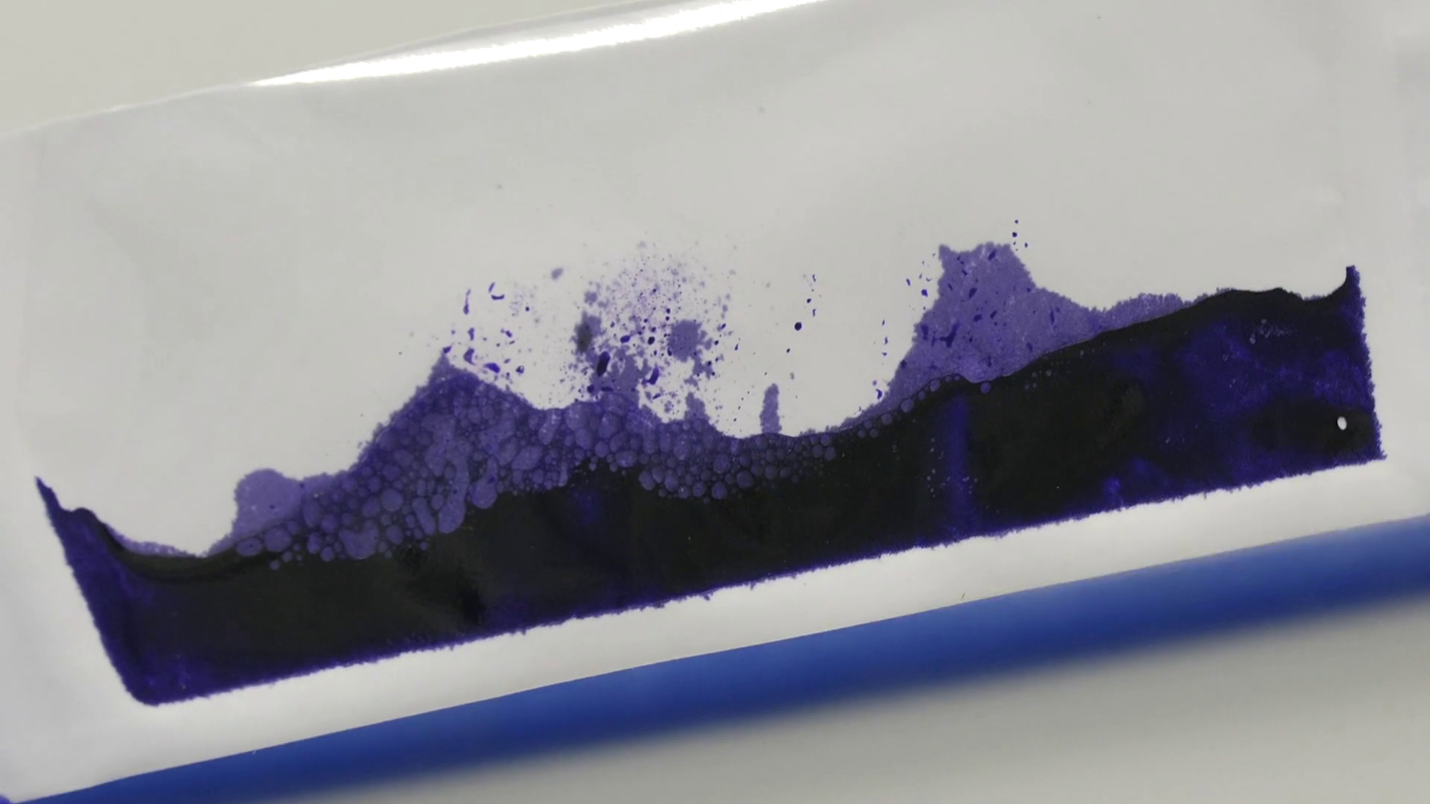
Sterilization Delamination |
Laminates react differently to different sterilization modalities.
|
Evaluate materials against sterilization methods to ensure stable performance throughout the sterilization process. |
|
Fiber Tear
|
High peeling force can result in interlaminar failure of paper and nonwoven materials. |
Manage seal strength by adjusting sealing parameters appropriately or utilize geometric packaging shapes to manage and distribute peeling force effectively along sealing width. |
|
Deep Draw Defects
|
Thin Forming Films may overstretch in deep draw formats and fail to maintain its integrity throughout the package’s shelf life. |
Ensure Forming Film choice supports required draw depths.
|
|
Material Curling or Warpage
|
Hygroscopic expansion, sealing tension, laminate polymers, or laminate creation processes can affect overall material flatness. |
Understand supplier material properties, converting capabilities, and conduct transit testing. During storage, follow recommended storage conditions. |
Sterilization Considerations
|
Failure Mode |
Root Cause |
Takeaways |
|
Flexibility Changes |
Sterilization can stiffen or soften laminates. |
Compare laminate behavior before and after sterilization before material selection. |
|
Seal Lift in Moist Heat |
Coatings respond differently to humidity and heat. |
Choose coatings compatible with steam and moist heat cycles. |
|
Ink Appearance Changes |
Different inks react differently to different sterilization modalities. |
Validate inks against the intended modality (i.e. inks for steam need to be resistant to high levels of heat). |
Design & Usability Considerations
|
Failure Mode |
Root Cause |
Takeaways |
|
Confusing Opening Cues |
Users may peel a pouch or a lid from the wrong edge. |
Using intuitive cues or simple printed guidance can help reduce confusion during aseptic presentation. |
|
Difficult Product Access |
Packaging width may be too tight to support smooth removal of device from package. |
Right-size packaging to support smooth, consistent aseptic presentation. |
|
Device‑Related Wear |
Sharp features can stress or puncture packaging.
|
Add reinforcement or protective intermediaries to protect the packaging against sharp features. |
|
Multi‑Step Designs |
Extra steps slow clinicians during aseptic presentation. |
Choose packaging designs that balance protection and ease of use. |
Conclusion
Packaging failures across these 15 examples can be attributed to materials, equipment, sterilization, and user interaction. Increasing awareness of the takeaways attributing to each packaging failure can serve to reduce the likelihood of encountering them. Understanding the various root causes also allows packaging engineers to make more informed choices about materials, sealing parameters, and design features long before validation. By doing so, packaging engineers can expect to see long-term cost and time savings during the medical device commercialization process.
Resources
- ISO 11607‑1:2019 (Amd.1:2023) — Packaging for terminally sterilized medical devices — Part 1: Requirements for materials, sterile barrier systems and packaging systems. International Organization for Standardization. [meddeviceguide.com]
- ISO 11607‑2:2019 — Packaging for terminally sterilized medical devices — Part 2: Validation requirements for forming, sealing and assembly processes. International Organization for Standardization. [bbraun.com]
- ASTM F88 / F88M — Standard Test Method for Seal Strength of Flexible Barrier Materials. ASTM International. [steris-ast.com]
- ASTM F1886 / F1886M — Standard Test Method for Determining Integrity of Seals for Medical Packaging by Visual Inspection. ASTM International. [ebeammachine.com]
- ASTM F1929 / F3039 — Standard Test Methods for Detecting Seal Leaks in Porous Medical Packaging by Dye Penetration. ASTM International. [ebeammachine.com]
- Sterile Barrier Association (SBA). Guidance on Usability and Aseptic Presentation of Sterile Barrier Systems. 2025. [sterilebarrier.org]
- Chen, R. Medical Device Packaging Validation: Complete Guide to ISO 11607 Compliance. MedDeviceGuide, 2026. [meddeviceguide.com]
- Qin, S., Li, R., Yin, Y., & Fang, L. Evaluating aseptic presentation of different medical device packaging configurations. Biomedical Instrumentation & Technology, 57(3), 2023. [ncbi.nlm.nih.gov]
- International Atomic Energy Agency (IAEA). Radiation Effects on Polymer Materials Commonly Used in Medical Devices. Vienna, 2021. [nucleus.iaea.org]
- Sterigenics. Material Considerations in Radiation Sterilization Processing. 2018. [sterigenics.com]
- CCIT. Package Integrity Testing for Medical Device Packaging: Challenges and Solutions. 2026. [ccit.com]
- Packaging Compliance Labs. Usability Evaluation for Aseptic Presentation (ISO 11607‑1 Section 7). 2024. [pkgcompliance.com]
- Averna. How to Test Seal Integrity on Sterile Packaging. 2026. [insight.averna.com]
- EBM Machine. Material Compatibility Challenges in Industrial Gamma Radiation Sterilization. 2025. [ebeammachine.com]
- MPO Magazine. Usability Evaluation for Aseptic Presentation — A MedTech Makers Q&A. 2024. [mpo-mag.com]