





When there is a packaging failure, it rarely stems from a single issue. More often, they result from a combination of design decisions, material limitations, and attempts to balance cost, size, and usability. With HDPE cards, often called mounting cards or backer cards, there are a few failure patterns that experienced designers know to watch out for. Understanding these common points of failure is essential when designing packaging systems that perform reliably through testing, transport, and real-world use.
The Most Common Types of Failure with HDPE Cards
Packaging failures can take many forms. However, when packaging is pushed beyond its structural limits or adapted without considering the unique demands of the device, there are four common issues that can arise.
Structural Weakness in Cards and Components
Causes of structural weakness include:
- Flimsy materials like paper (SBS) lose strength after creasing
- Over-integrated straps introduce unwanted flexion, which then creates weak points within the card
- Large designs without reinforcement creating a lack of stability
- MDM assembly team not fully locking rails/assembling the card and features correctly
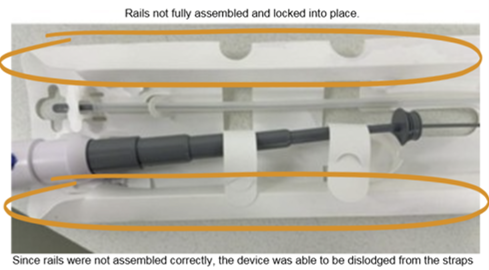
(Incorrect rail assembly)
To avoid card flexing, creasing, or failure during handling, working with an experienced design team and a supplier that uses a material made of virgin HDPE can help prevent these issues.
Improvised or Non-Optimized Retention Methods
Customers sometimes attempt to secure devices using off-the-shelf solutions like twist or zip ties. These often do not perform well out in the field and can create usability issues. Incorporating the correct retention elements into the design of your card can help ensure the product stays secure until the point of use.
“One-Size-Fits-All” Design Approaches
Another common pitfall is attempting to accommodate multiple device variations within a single “universal” design. While this approach is often intended to reduce costs, streamline package systems, and save development time, it can ultimately compromise performance. Even minor differences between devices can result in inconsistent fit and function, increasing the risk of failure during testing or clinical use. In addition, universal cards typically require larger, more complex designs to accommodate a broader range of devices, which can drive up manufacturing costs and create sustainability challenges through increased material usage and waste.
A more effective approach is to custom-fit each device to its HDPE card to ensure optimal performance, protection, and cost efficiency. A universal card can potentially be used when devices share the same geometry but differ only in length, standardized design features can still be leveraged across configurations. This approach simplifies the manufacturing process while maintaining a precise fit, reducing material usage, and ensuring consistent performance across all device variations.
Pouch Failures (The Biggest Culprit)
Every HDPE card will need a pouch (or tray and lid) to create a full packaging solution. If the HDPE card follows all the best practices, but the pouch isn’t properly sized, this can lead to:
-
Seal creep along edges due to a tight fit or a too loose fit.
- Abrasions to the film
- Damage like pinholes or punctures can appear if not designed correctly. These issues often occur when pouches are misfitted and the devices press against the pouch materials or when sharp, rigid features of the device aren’t properly protected.
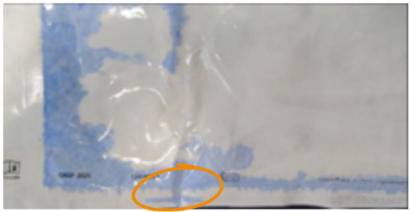
Rightsizing your pouch will help prevent failures.
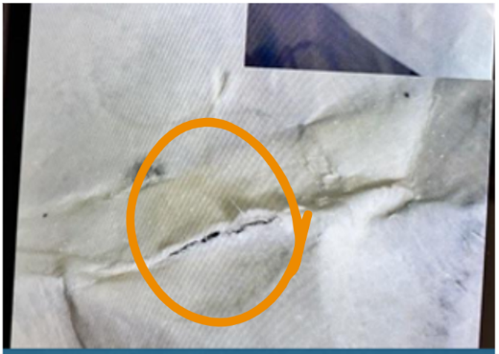
(Pouch tear)
5 Packaging Misconceptions: Rightsizing Your Medical Device Packaging
Avoiding Failure Before It Happens
The irony is that most failures are predictable and preventable but are often overlooked if a designer is not brought into the discussion early on. Many potential issues are often identified in the first design discussions of a custom HDPE card. Designers attempt to flag concerns, suggest alternatives, and provide guidance based on their experience. The best way to prevent packaging failures is to address possible problems early and to involve experts from the start. Leveraging the designer’s expertise can help to avoid the need to rework your packaging design in the future. Lastly, it’s always important to make sure you are doing your due diligence by testing physical samples, using their correct materials and weight, and not just relying on CAD drawings or 3D printed samples.
What Teams Should Do When Something Fails
When packaging fails, start simple. Analyze real samples by comparing failed and successful units side by side and evaluating fit, stress points, and material behavior to identify the root cause quickly. Partnering with suppliers, designers, and experts in the space can also help identify the issue more quickly.
Packaging failures do occur, but they are often the result of preventable oversights that emerge when packaging and design expertise is brought in too late. In many cases, the difference between success and failure comes down to making informed decisions from the start.