




Biotech and Biopharma: Complementing, not Competing
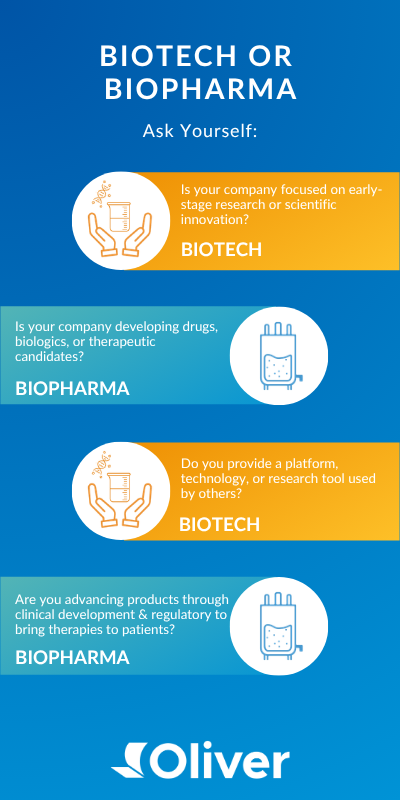
Biotech and biopharma are often used interchangeably, but they represent two distinct yet overlapping areas. Each follows their own development process. Biotech companies drive early innovation, while biopharma organizations step in to partner, scale, and bring those medical breakthroughs to patients. Understanding the difference, and how the two industries work together, helps clarify where innovation begins, how therapies are developed, and where opportunities exist across the healthcare value chain.
How Biotech and Biopharma Differ
Biotech is a broader field than biopharma, and uses living organisms, biological systems, or cellular processes to develop products or technologies. While biotech is often associated with healthcare, its applications extend into agriculture (i.e. genetically modified crops), industrial applications (i.e. enzymes for manufacturing), and environmentally focused solutions (i.e. bioremediation).
Within healthcare, biotech focuses on understanding and manipulating biological systems like proteins, genes, antibodies, and cells that are used to develop new technologies, therapies, and diagnostic tools. These innovations often encompass advanced areas like gene therapy, cell engineering, synthetic biology, and mRNA platforms that originate within the biotech space.
How Biotech Works
Biotech combines biology, engineering, and technology to better understand living systems and develop innovative ways to address disease. Research often begins with an in-depth understanding of a particular condition, and identifying how genes, proteins, or cells influence it. Then it looks at developing technologies that can be used to intervene.
In biotech, the output is often a platform technology or early-stage therapeutic candidate instead of a finished product. These innovations can be applied across multiple diseases and treatment areas, creating a foundation for future therapies. Technologies such as CRISPR, mRNA platforms, and cell engineering are examples of versatile platforms that can support the development of a wide range of treatments.
One key characteristic of biotech is that its inputs are derived from living systems. Unlike traditional manufacturing processes, living organisms introduce biological variability that can affect development, production, and performance. As a result, biotech often requires specialized processes, rigorous testing, and significant investment to achieve a viable therapeutic formulation.
These scientific and technical challenges make biotech development costly and time intensive. As technologies and therapeutic candidates advance, biotech companies frequently partner with biopharma organizations that can provide the funding, manufacturing support, regulatory expertise, and commercialization capabilities needed to bring innovations to market. Together, these partnerships help accelerate the transition from scientific discovery to patient care.
Biopharma focuses on the development, manufacturing, and commercialization of therapies designed to prevent, treat, or manage disease. While biotech is often focused on scientific discovery and innovation, biopharma is responsible for transforming therapeutic candidates into regulated, market-ready medicines.
Biopharma is considered a subset of biotechnology and encompasses both biologic therapies derived from living systems and traditional pharmaceutical products that are developed through chemical processes.
How Biopharma Works
Biopharma development begins with the identification and engineering of therapeutic candidates derived from biological or chemical sources. These include large-molecule biologics produced from living systems and small-molecule drugs synthesized through chemical processes.
Once identified, the candidates move through a structured process designed to ensure safety, efficacy, and scalability. This process combines biological and chemical engineering to transform early-stage therapeutic candidates into approved treatments.
A key component of biopharma is the manufacturing process, which is typically divided into two stages:
- Upstream processing involves cultivating cells or biological systems to produce the target molecule.
- Downstream processing focuses on recovering, purifying, and formulating the final drug product into a usable therapeutic.
Together, these processes ensure consistent production of high-quality therapies that are safe for clinical and commercial use.
Biopharma companies also typically follow a structured development pathway that includes three major phases:
- Discovery Research & Preclinical Development – Identifying and evaluating candidate molecules or genes through laboratory and animal studies.
- Clinical Trials (Phase I – III) – Testing safety, dosage, and efficacy in humans.
- Manufacturing & Regulatory Approval – Large-scale production, validating quality, and securing regulatory approval prior to commercialization.
Successfully navigating these stages allows therapies to move from the laboratory to patients.
Where Biotech and Biopharma Overlap
While biotech and biopharma differ in the roles they play, they are linked by a common goal: improving patient outcomes through innovative therapies. Biotech companies often drive the discovery and innovation of new treatments, while biopharma organizations provide the development, manufacturing, regulatory, and commercialization capabilities required to bring those therapies to the patients. This relationship is particularly evident in areas like cell and gene therapy, biologics, mRNA therapies, and personalized medicine.
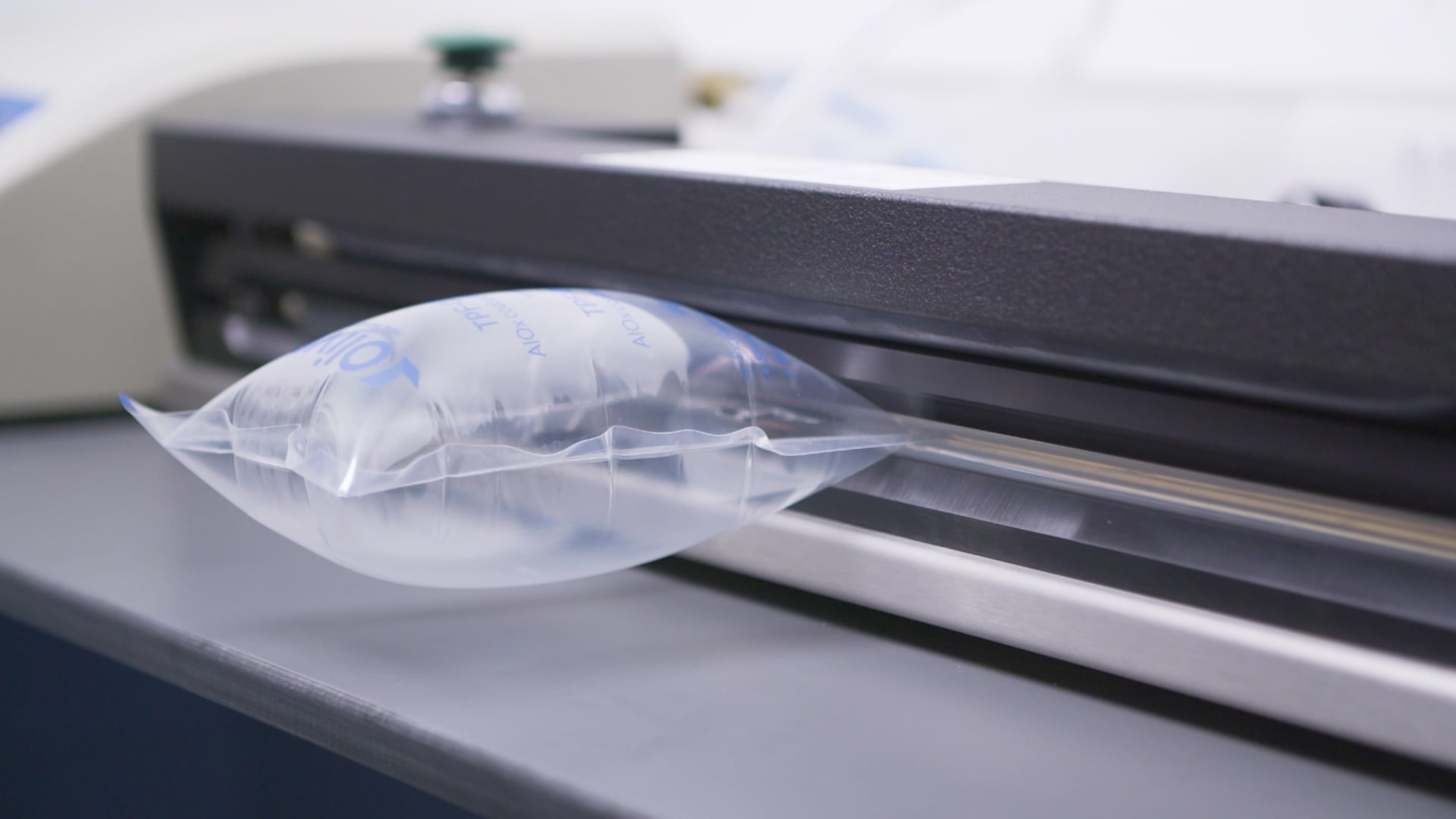
As new therapies progress towards commercialization, the distinction between biotech and biopharma becomes less evident. Many innovations start in biotech labs, but rely on biopharma expertise to scale production, navigate regulatory requirements, and bring therapies to market. Along the way, both industries depend on many of the same technologies and processes, including single-use bioprocessing systems, sterile packaging, and cold-chain distribution.
Together, biotech and biopharma bridge the gap between discovery and patient care. By transforming scientific breakthroughs into accessible therapies, they help improve outcomes and enhance quality of life for patients worldwide.