



In healthcare packaging, seals are formed between two substrates to create closed sterile barrier systems. In this article, we will explore the differences between peelable and weld seals, helping you understand what considerations you should keep in mind for a given application.
Peelable Seals
Peelable seals play a critical role in providing secure and easily peelable sterile barrier systems. These seals serve the purpose of effectively distributing peeling force equally along both directions of the seal. This provides a controlled, consistent means of force distribution and lowers likelihood of inconsistent peeling. Peelable seals are especially valuable in clinical environments where ease of access and aseptic presentation are of high importance.
In the most basic approach, packaging suppliers seal two uncoated materials together, without any specialized technologies. However, this method could result in fiber tear or delamination, or difficulties in maintaining aseptic presentation during opening. These challenges have driven medical packaging companies to innovate and develop advanced solutions to overcome these issues. Two examples seen in the market include:
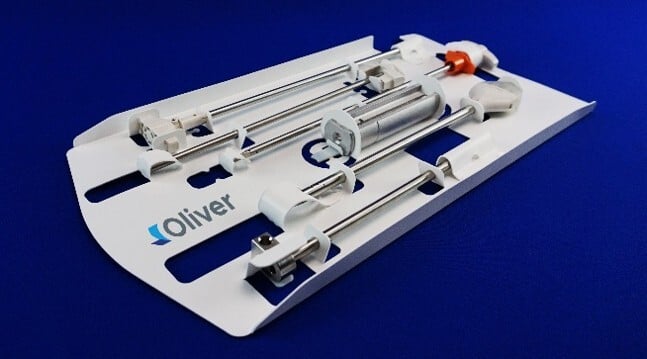
When it comes to packaging configurations that utilize peelable seals, they are commonly seen in tray-and-lid systems or pouching systems for high-value medical devices. These formats ensure product protection while allowing controlled, aseptic presentation during end use.

Weld Seals
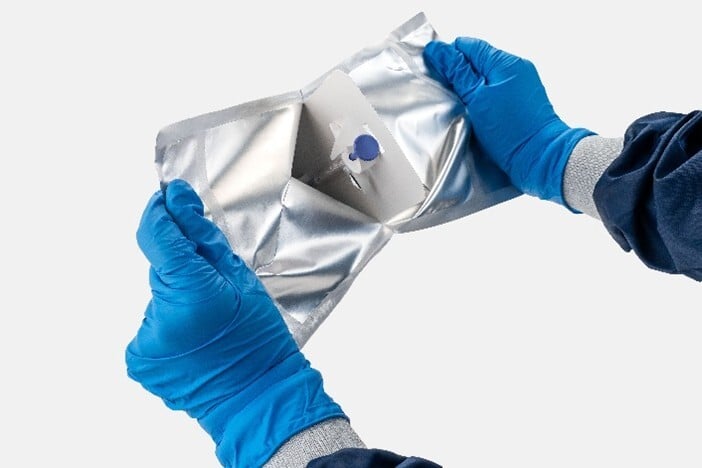
Weld seals play a critical role in applications where product integrity and durability are of high importance, and where aseptic presentation is not needed by the end user. These seals are commonly employed in tamper-evident packaging, providing a permanent and secure closure that safeguards against unauthorized access. In terms of design, most medical packaging using a weld seal incorporates either a tear slit or a tear notch to facilitate access to the medical device.
Welded seals are more commonly used in foil and film pouches. These materials offer moisture barrier properties, making them ideal for protecting sensitive medical devices to prevent environmental moisture from compromising the device until it is ready for use.
Conclusion
Ultimately, choosing between peelable seals and weld depends on your application. Peelable seals are ideal for situations where easy access and aseptic presentation are essential, particularly in sterile environments. In contrast, weld seals offer superior strength and durability, making them suitable for applications where product integrity and tamper evidence are critical, such as point-of-care kits used in non-sterile settings. By understanding the differences, packaging engineers can make informed decisions that prioritize both product protection and patient safety.