Once manufactured, pharmaceutical products must remain stable, effective, and high quality throughout their shelf life. However, exposure to changing conditions during transport and storage can affect product performance, potentially making products unusable and undermining patient trust as well as company reputation.
This blog explores controlled atmosphere packaging (CAP), its importance, and key considerations when selecting the right solution and supplier.
Why Controlled Atmosphere Packaging Matters
Many modern pharmaceutical formulations are particularly sensitive to environmental conditions. Even small amounts of moisture or oxygen can trigger chemical or physical changes, including:
- Degradation of active ingredients
- Changes in dissolution or performance
- Altered appearance or texture
- Reduced product shelf life
Managing these factors is essential not only for product quality, but also for maintaining regulatory compliance and consumer confidence. CAP addresses these challenges by actively managing the internal conditions of the package.
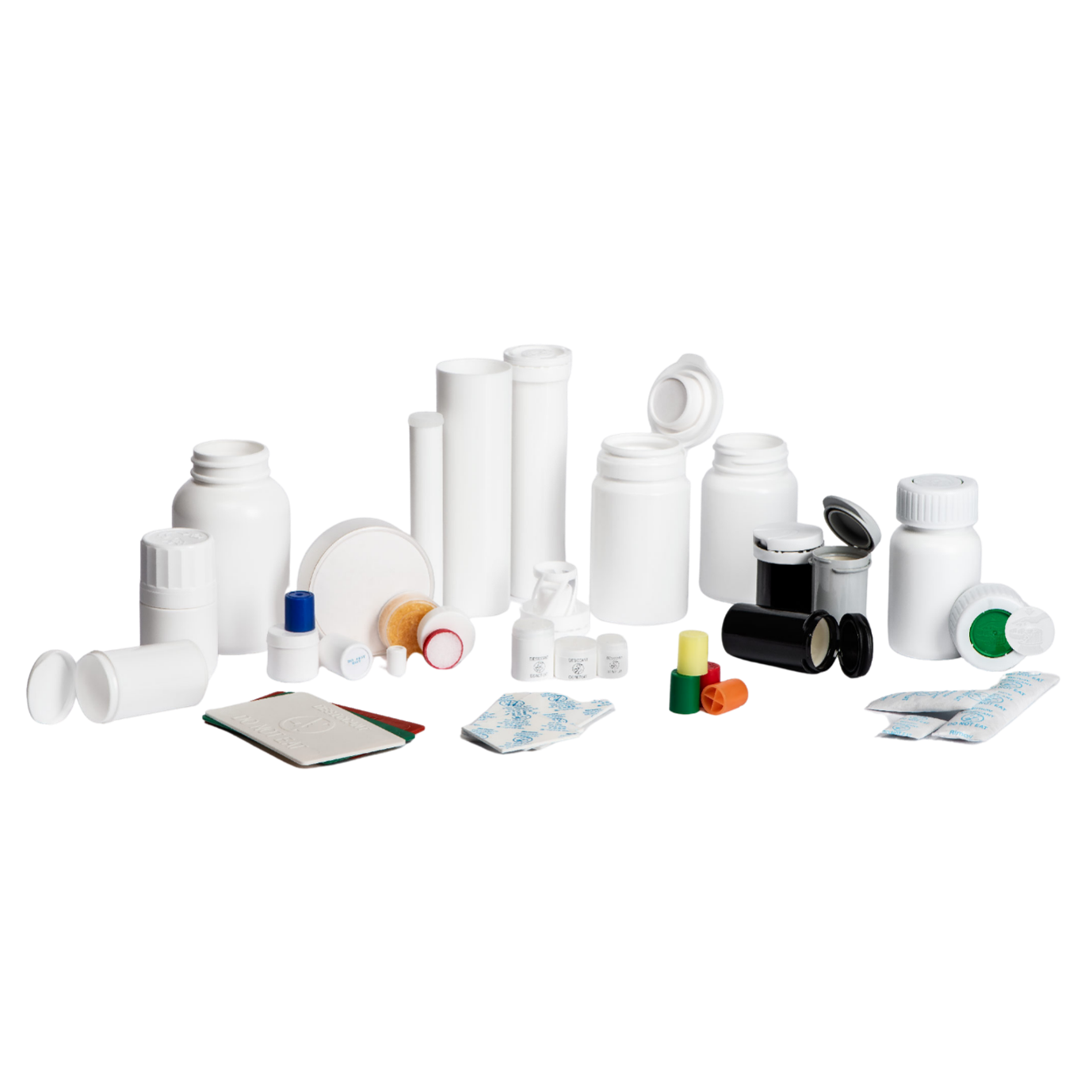
This may be achieved through one, or a combination of technologies, including moisture barriers, desiccants, and oxygen control systems, all of which work to protect the product throughout storage and distribution.
Taking a Holistic Approach to Stability Protection
Effective CAP is not just about addressing one environmental factor in isolation. Instead, it requires a complete understanding of how the packaging interacts with the product and its environment.
Key considerations include:
-
Moisture management to prevent degradation or physical changes
-
Oxygen control to protect sensitive active ingredients
-
Packaging compatibility to ensure consistent performance over time
-
Regulatory and market requirements to support global distribution
Taking this integrated approach can help reduce development risks and support the delivery of consistent product performance across markets.
How to Select the Right CAP Solution
Selecting the appropriate controlled atmosphere packaging solution depends on several product- and process-specific factors. These may include:
- Product sensitivity to moisture and/or oxygen
- Dosage form and formulation characteristics
- Target shelf life and storage conditions
- Packaging format and manufacturing processes
It’s important to evaluate how different packaging components and technologies work together as part of the overall system. In some cases, integrated solutions that combine multiple protective mechanisms can help simplify packaging operations while maintaining consistent performance.
Selecting the Right Partner
In addition to selecting the right technology, successful implementation depends on choosing a supplier with relevant technical experience and a clear understanding of the product’s stability requirements.
When evaluating suppliers, manufacturers should consider how well the supplier can assess both formulation and packaging needs, provide guidance based on the product’s sensitivity to moisture or oxygen, and support development within the relevant regulatory and market requirements.
A supplier with both scientific insight and practical packaging experience can help manufacturers make informed decisions and select solutions that are appropriate for the product, process, and intended market.
Supporting Product Stability Through Better Packaging Design
As product innovation continues across pharmaceuticals, the importance packaging plays in maintaining product performance will only grow. Controlled atmosphere packaging plays a critical role in helping manufacturers protect sensitive products, meet regulatory expectations, and deliver consistent quality to patients and consumers.
By adopting a comprehensive approach, combining the right technologies, packaging design, and supplier expertise—manufacturers can more effectively manage environmental risks and support long-term product stability.
Explore how controlled atmosphere packaging supports product stability.









 — 2 minute read