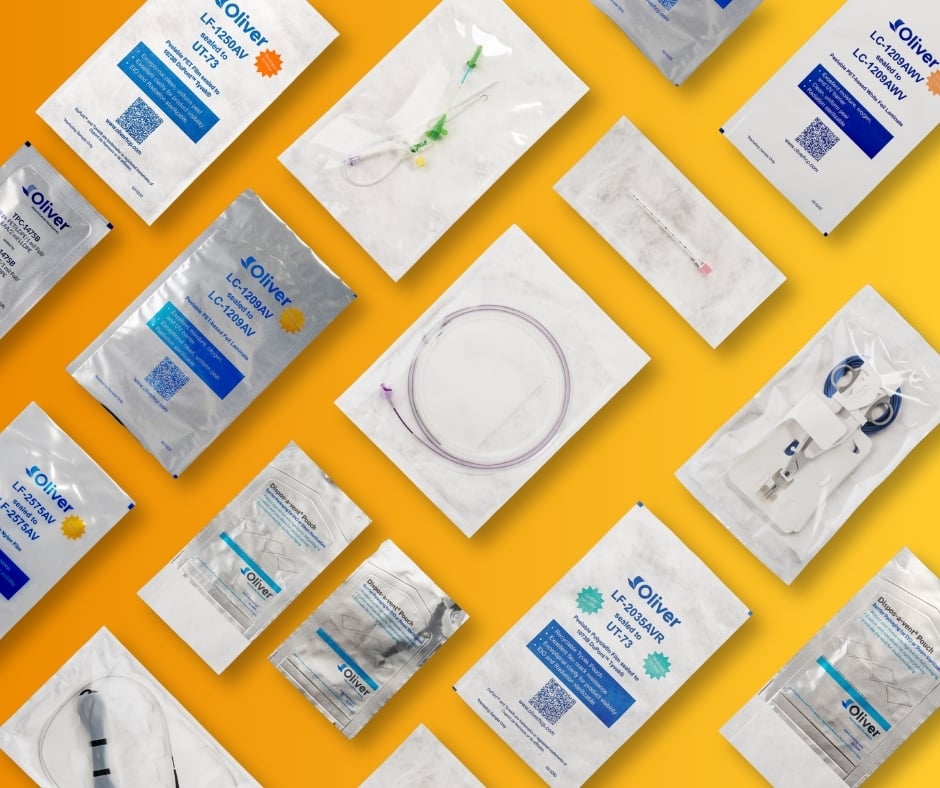




Sterile barrier packaging is often an afterthought for manybesides packaging engineers. When it works, no one notices. But if it fails, itbecomes the center of attention. That contrast is what makes sterile packaging such a critical part of patient safety.
Simply put, sterile packaging exists to protect. It protectsnot just the medical devices and therapies packaged inside, but it protects patients.
Sterile barrier packaging, or a sterile barrier system, is also responsible for:
- Preventing microorganisms from entering
- Withstanding handling, transportation, movement, and storage
- Opening cleanly and predictably in clinical settings
These requirements are some of the reasons why packaging engineers are challenged to find the perfect balance in their packaging designs. Materials must be strong but breathable. Seals must be secure butpeelable. Designs must protect the medical devices and therapies without complicating use.
Designing for What You Can’t See
Much of sterile packaging design focuses on risks that youcan’t always see. A package can look intact and still fail if materials aren’t compatible with the sterilization method used or if seals weaken over time. That’s why testing, validation, and material selection are so important.
Packaging engineers know that performance isn’t defined by asingle test result. It’s defined by how the packaging behaves in the real worlduntil point of use. The goal is simple: when a package is opened, sterility and the device should still be intact and unharmed.
The Invisible Hero
Because sterile packaging is so effective when done well, it’s easy to underestimate its role. But packaging is often the last line ofdefense before a product reaches a patient. Every decision made during designand development contributes to that moment.
For packaging engineers, sterile packaging isn’t anafterthought. It requires attention to detail, respect, and appreciation for whatgoes into making safe patient care possible.
When sterile packaging does its job, no one notices. Andthat’s exactly the point.