



Before my labrum surgeries, I didn’t really think much about what happens before you get into the operating room. If you asked, I’d probably have said doctor appointments, lots of physical therapy, and maybe a few tests in between to confirm whether you were improving. That’s how it was for me, at least—three months of physical therapy, two arthrograms, and one diagnosis.
My shoulder injuries started during a football game. As I jumped up to make a routine play on the ball, I felt a crunch and knew something was wrong. At first, I thought it was something that would heal with time and rest. But a few weeks later, I dislocated my shoulder, and that’s when I knew it wasn’t going away on its own. As a 17-year-old going through two complex shoulder surgeries in a 10-week time span, my experience completely changed my perspective on what happens before surgery.
One of the first real steps toward determining if surgery was needed was the arthrogram. Not one, but two arthrogram procedures. As the needle went deep into my shoulders, I felt a small pinch and a lot of pressure. It felt like someone was putting their entire bodyweight on top of me. The needle was huge and sharp, but the pressure was what I remember most.
The injection of dye helped the doctors confirm why I wasn’t improving in physical therapy. After each injection, I had to lie still—super still—in the long tunnel-like MRI machine for an hour each time. Sitting in that tube felt isolating, and my shoulders were the only thing I could think about.
When I got the results back, the radiology report confirmed that I had torn labrums in both of my shoulders. At that point, everything started to feel a lot more serious. The following weeks shifted from lacrosse season prep to imaging, procedures, and eventually surgery on both shoulders.
Preparing for the Operating Room
This wasn’t my first rodeo. I already had a titanium plate in my shoulder from a previous collarbone surgery, so the surgery prep process was familiar. But the thing I remember most before my first labrum procedure wasn’t the surgery itself, but how I felt. I was a little worried, and honestly, I was really hungry because I couldn’t eat beforehand. I remember mentally preparing to go under anesthesia and that I kept thinking about how long everything was going to take. I found myself wondering: What’s the nerve block going to feel like? Will it hurt? Will I feel differently waking up?
On surgery day, I met with the doctor. He came in to discuss the arthroscopy procedure for labrum repair and mark my shoulder, a routine but important safety step. The doctor explained it in a way I understood. I had basically damaged the rim of a “plate,” and the goal was to reattach it so it could heal properly. Marking of the shoulder was important because the doctor could only operate on one shoulder at a time, as he would have to position me on the opposite shoulder for each of the procedures.
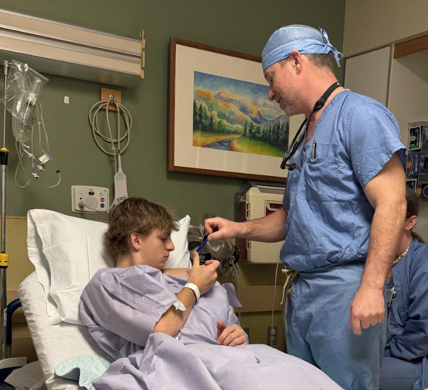

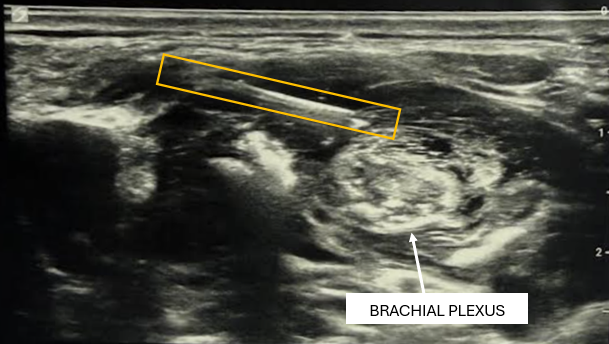
Then, the anesthesiology team followed. They explained the interscalene nerve block procedure and risks to me and my parents. I learned that this kind of block targets the nerve roots in the brachial plexus to numb your shoulder but has to be done by sticking a giant needle the neck. I remember being taken into a separate room for the procedure.
The nerve block felt pretty painless compared to the arthrograms. The doctor used an ultrasound to make sure the needle was in the right place.
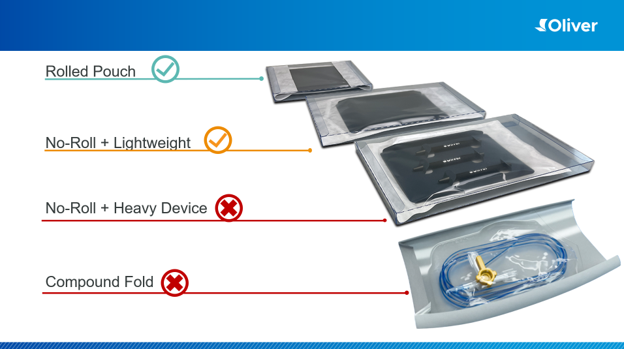
When I was taken back to the OR, I remember looking at how organized everything was, the kits, the sterile packaging, and the way everything was prepared so efficiently. There was something about seeing everything so organized and intentional that made the process feel safer and made me feel calmer. My mom works in healthcare packaging, so naturally, packaging always stands out. But, seeing the packaging in person made me really realize there is a whole side of medicine that most patients never notice, packaging being just one example.
I also had full confidence in my doctor. He was very talented, and I knew he was the right person to fix my shoulders.
Right before the first surgery, I remember feeling a mix of emotions—nervous, calm, and everything in between. By the second surgery, there was a sense of familiarity. But each time, as I got to that point where I was about to get anesthesia, everything felt still. And I knew that when I woke up, I’d feel groggy but have a sense of relief that the surgery was done.
Recovery
Today, I am still in the process of recovering. Each shoulder takes roughly six months to heal, with the first six weeks post-op spent in an immobilizer sling. I’ve had to transition from being independent to needing help from my parents, classmates, and teammates for everyday things. The second surgery was especially frustrating because it felt like starting over right when I had been making meaningful progress. Healing from two shoulder surgeries in a short period made the timeline blur together. Time felt like it was standing still, even though I was making progress. It’s a good reminder that you can reach milestones and make progress but still be a patient long after surgery day.
As I reflect, what stands out most isn’t just the surgeries, it’s everything around them.
Before this, I thought healthcare was mostly doctors, nurses, and physical therapy. Going through these surgeries showed me how many people and systems are involved long before a patient ever enters the operating room. From imaging and diagnostics to nerve blocks, medical devices, sterile packaging, surgery, and recovery, every step matters.
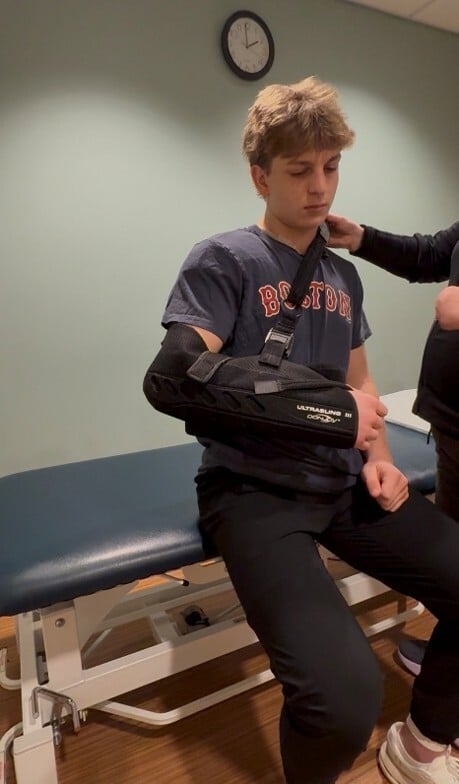
If I had to describe the experience, I’d say it was a battle between wanting to move forward and having to be patient. As an athlete, you’re taught to push through challenges and keep going. Recovery taught me that sometimes progress means slowing down, trusting the people helping you, and focusing on things you can’t see happening yet.
As an athlete, I thought recovery would be about getting back on the field. What I didn’t expect was gaining a new appreciation for everything and everyone that helps patients get there.